Why APIs Are The brand new Consumer Interfaces By Gustavo Woltmann
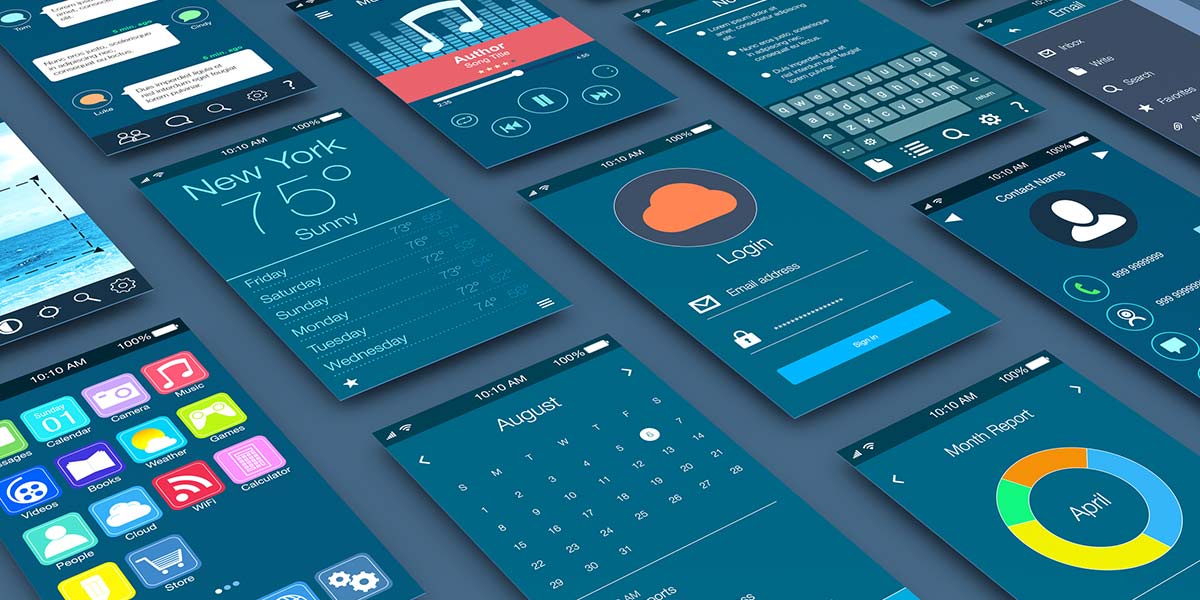
On this planet of recent computer software, consumer practical experience now not lives only on screens. More and more, it resides inside the invisible connections amongst devices—Those people streams of knowledge and instructions which make electronic ecosystems functionality. These connections are created probable by APIs (Software Programming Interfaces), which have developed from specialized equipment for developers to the new frontiers of consumer interaction. These days, APIs will be the unseen interfaces shaping how consumers knowledge technological innovation, even whenever they never ever touch a button. I am Gustavo Woltmann, developer with 20 calendar year working experience, let us Test how meaninghul APIs are nowadays.
From Screens to Programs
For decades, user interfaces were being described by what end users could see and touch—buttons, icons, menus, and screens. The art of person practical experience revolved all over generating these visual levels intuitive and delightful. But as digital ecosystems expanded, a silent revolution began beneath the area. A very powerful interactions have been not happening concerning humans and screens, but among applications and units.
Enter the API—Software Programming Interface—the invisible spine of modern software package. As opposed to guiding human clicks, APIs define how programs communicate. They help apps to share details, set off steps, and coordinate intricate responsibilities mechanically. On this new reality, the boundaries concerning platforms blur: your journey-sharing app connects towards your map assistance, your climate widget pulls data from the meteorological server, as well as your Conditioning tracker syncs seamlessly using your telephone.
This at the rear of-the-scenes connectivity has quietly redefined what “user working experience” implies. While end users interact through a graphical interface, the real experience typically is dependent upon how well APIs exchange information and facts inside the history. A flawless transaction, immediate update, or authentic-time notification occurs mainly because APIs are working flawlessly alongside one another.
Because of this, modern-day software program growth is shifting its priorities. The Visible layer—the screen—continues to be critical, but it really’s no longer The entire Tale. The standard of the experience now depends equally to the invisible architecture that powers it. Enterprises that once targeted exclusively on UI style and design at the moment are investing closely in API style, recognizing that reliability, pace, and integration push purchaser gratification as much as aesthetic appeal.
From screens to methods, technological innovation is now fewer about what we see and more details on how every little thing connects. The future of consumer expertise is not simply visual—it’s structural, seamless, and driven through the peaceful intelligence of APIs Functioning driving every single faucet, click on, and swipe.
APIs as Invisible UX
In right now’s connected digital globe, essentially the most seamless user experiences often happen without users knowing it. At the rear of each individual fast login, just one-click on payment, or actual-time update lies a network of APIs—the unseen interfaces that condition how technological know-how feels. Though regular layout focuses on what users can see, API structure establishes how easily every thing works.
APIs are getting to be the invisible layer of consumer expertise, orchestrating interactions across platforms and products. Whenever your social media application promptly pulls your images in the cloud or your banking application syncs flawlessly together with your budgeting software, you’re benefiting from considerate API style. The responsiveness, trustworthiness, and consistency of those connections outline the overall practical experience approximately Visible layout or navigation ever could.
Inadequately developed APIs, On the flip side, can break that illusion of effortlessness. A gradual integration, mismatched info, or procedure failure generates friction just like a buggy interface would. That’s why a lot of leading corporations now treat APIs as Main UX components, not only backend applications. Their design and style will have to prioritize clarity, predictability, and balance—features that make sure builders can build reputable features, and consumers can love flawless efficiency.
For contemporary builders, crafting an excellent API is really an act of person-centered design and style—just the “buyers” tend to be other builders. Comprehensive documentation, steady endpoints, and intuitive logic make APIs much easier to undertake and integrate, fostering far better conclude-person experiences.
In this way, APIs have redefined what it means to layout for usability. They transform interactions into fluid, connected experiences that transcend screens. As techniques continue on to speak more straight with each other, APIs are emerging as the new frontier of UX—one particular where by the most stunning interface will be the one particular people hardly ever see.
The Increase of the API-Initial Planet
Before, application was designed While using the person interface to start with—a monitor, a menu, a visible structure—when the fundamental devices arrived later on. Right now, that purchase has flipped. We now reside in an API-very first planet, in which applications are developed from the inside out, commencing with the info and logic that travel each individual conversation.
An API-1st technique implies developers start by defining how systems connect in advance of they even Create the consumer-dealing with levels. This mentality makes sure that every single support—whether or not it’s authentication, payment processing, or analytics—can be reused, scaled, and built-in across numerous platforms. Instead of building for one interface, organizations design for an ecosystem of connections.
The end result is agility and interoperability. Modern day companies work across devices, cloud products and services, and third-party integrations, and APIs make that complexity workable. They allow startups to plug into world infrastructures like Stripe, Google Maps, or OpenAI in hours in place of months. This accelerates innovation and amounts the playing subject, enabling little groups to construct subtle items that rival organization computer software.
For organizations, the shift to API-to start with layout isn’t just technical—it’s strategic. It encourages modular architecture, constant delivery, and less complicated collaboration between teams. APIs come to be the contract of interaction among interior methods and exterior associates, offering steadiness in an ever-transforming digital landscape.
In the environment driven by automation and connectivity, APIs are no more an afterthought—they’re the muse. They energy almost everything from logistics networks to smart houses, reworking how program is constructed, preserved, and professional. The rise in the API-1st environment represents a basic adjust in how technological know-how evolves: much less about screens and clicks, and more about how every single process talks, shares, and grows together.
Collaboration, Automation, and the New UX
As APIs consider Middle stage in present day program, they’re not merely enabling technologies—they’re reshaping how folks and techniques collaborate. In an API-driven ecosystem, collaboration extends over and above groups and equipment to your incredibly architecture of electronic products and solutions. APIs act given that the bridges between services, automating workflows and making experiences that really feel effortlessly connected.
Think about how today’s productivity tools do the job: your calendar syncs with your online video conferencing application, your messages induce task updates, plus your documents are routinely backed up across platforms. None of this happens manually—it’s run by APIs Performing quietly from the qualifications. This invisible collaboration provides rise to a completely new form of consumer expertise, one that values automation and integration around regular interface layout.
For developers and product groups, APIs also redefine collaboration internally. As an alternative to siloed techniques, teams get the job done from a shared foundation of reusable parts. Designers, engineers, and analysts can Construct and refine goods at the same time, working with APIs since the connective tissue that retains anything aligned and steady. This modular approach hurries up iteration, decreases redundancy, and makes products and solutions far more adaptable to change.
With the user’s standpoint, the most effective electronic encounters are the ones that anticipate requires and remove friction. APIs make that possible by enabling true-time information stream and automation—regardless of whether it’s good suggestions, prompt payments, or contextual notifications.
Inside the period of collaborative automation, the user practical experience is no longer confined to your screen or an individual software. It lives from the seamless coordination in between programs. APIs would be the unseen collaborators, empowering human beings and equipment to work in sync. The new UX is not really just about planning interfaces—it’s about designing interactions among ecosystems, where automation and collaboration define what “consumer-welcoming” truly signifies.
Building the Future of Invisible Interfaces
As APIs proceed to weave jointly the electronic world, They may be paving how for a long term the place interfaces may well vanish altogether. The next era of consumer practical experience received’t rely upon screens or buttons—it'll depend upon seamless, context-mindful interactions designed probable by intelligent, interconnected systems powered by APIs.
Invisible interfaces are currently listed here in delicate kinds: a voice command that orders groceries, a smartwatch that adjusts your thermostat, or an application that means the ideal route prior to deciding to even talk to. These ordeals are crafted not on traditional design elements but on information movement, automation, and integration—all orchestrated via APIs.
Creating for this long term requires a shift in thinking. Instead of specializing in what buyers see, designers and builders ought to look at how devices recognize and react. The emphasis moves from visual layout to behavioral logic—crafting interactions which have been anticipatory, purely natural, and honest. Prosperous API layout will copyright on clarity, safety, and adaptability, ensuring that invisible interactions remain responsible and respectful of consumer intent.
This shift also redefines creative imagination in technological know-how. The designers of tomorrow will form ecosystems, not only experiences. They’ll will need to think about how various services, sensors, and facts sources collaborate to form a unified, human-centered procedure.
In this particular planet, APIs become the architects of invisibility. They empower frictionless, predictive encounters where the interface fades absent as well as the conversation by itself becomes the product or service. As we transfer towards ambient computing, sensible environments, and AI-driven personalization, the way forward for user working experience gained’t be what we contact—It's going to be what seamlessly happens for us, driven from the silent style and design of APIs.
Conclusion: The Tranquil Energy At the rear of the Display
APIs have redefined what this means to interact with know-how. They may not have buttons or shades, Nonetheless they form how electronic experiences come to feel—smooth, linked, and speedy. In an ever more interconnected world, the API is no more simply a developer’s Instrument. It’s The brand new person interface, quietly click here transforming how we Dwell, work, and link from the digital age.